
Stone, Brick, and Masonry
Masonry is a crucial aspect of all landscapes: big and small. We use cement, gravel, brick, mortar, natural stone, and blocks.
Granite
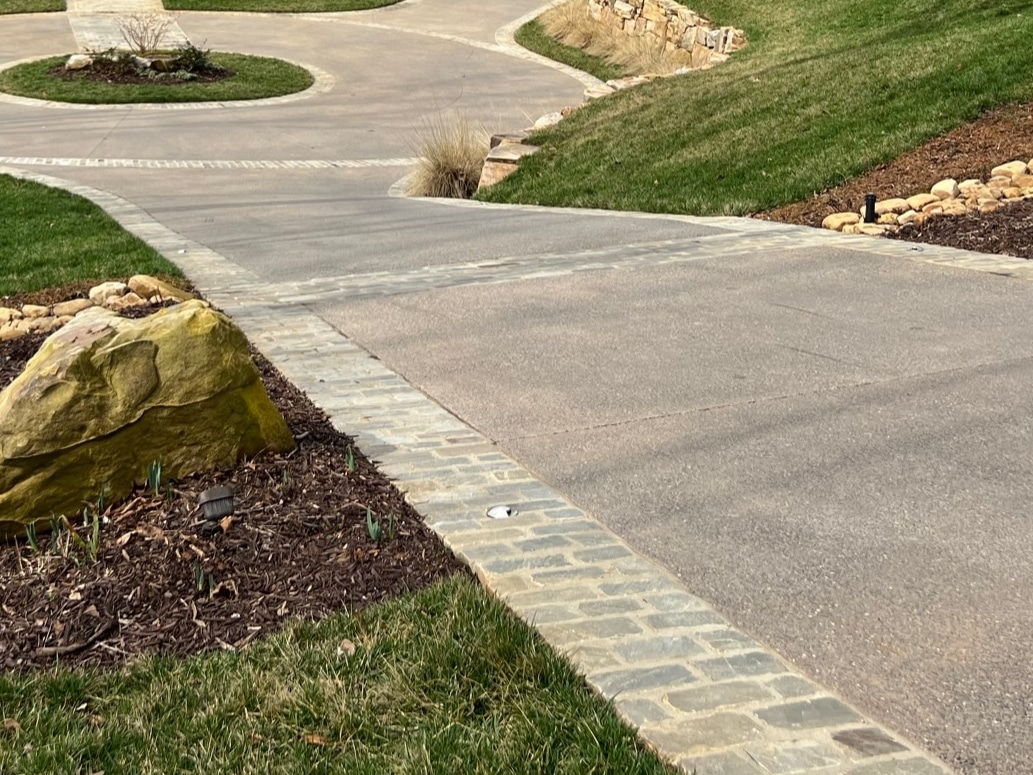
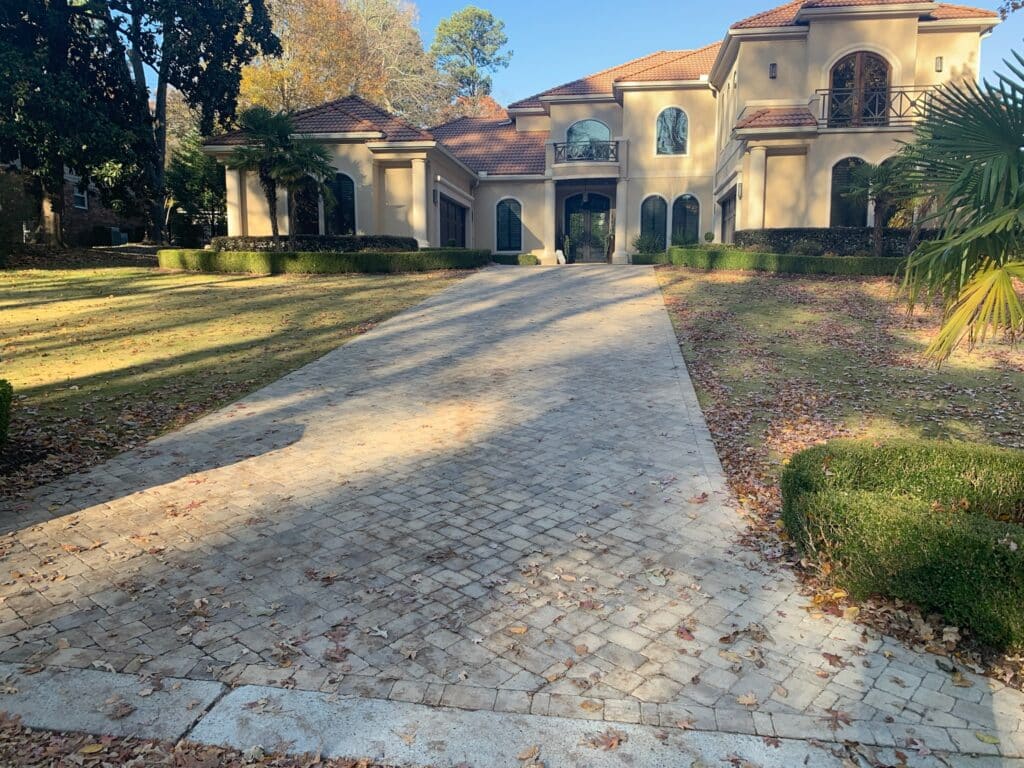
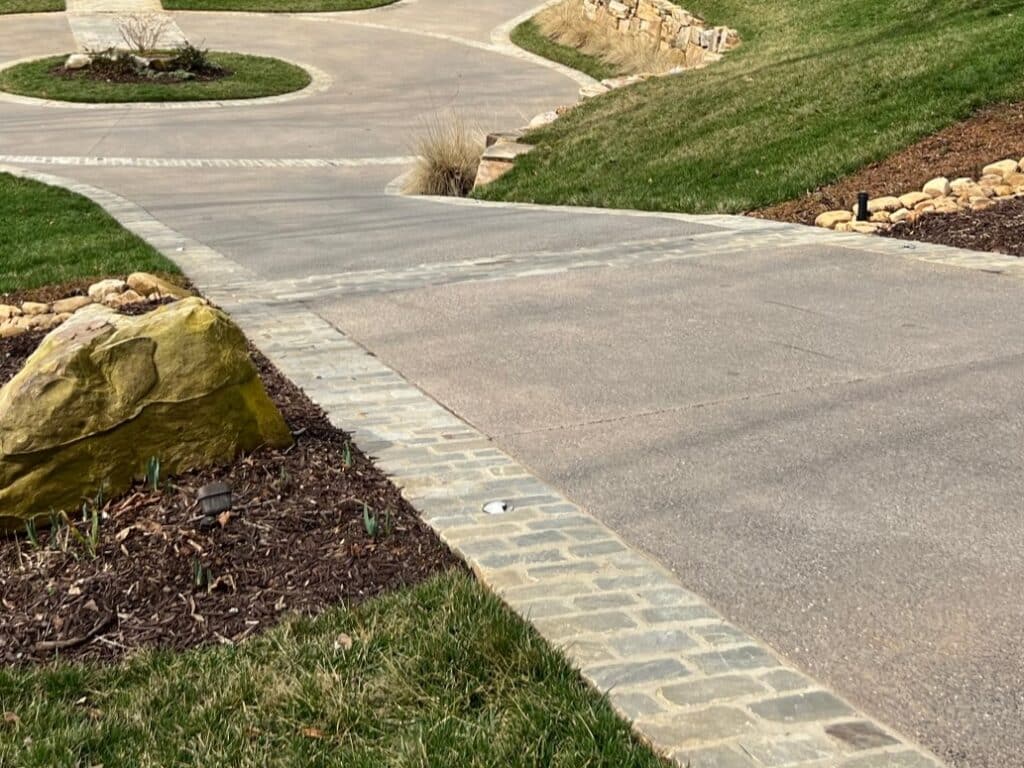
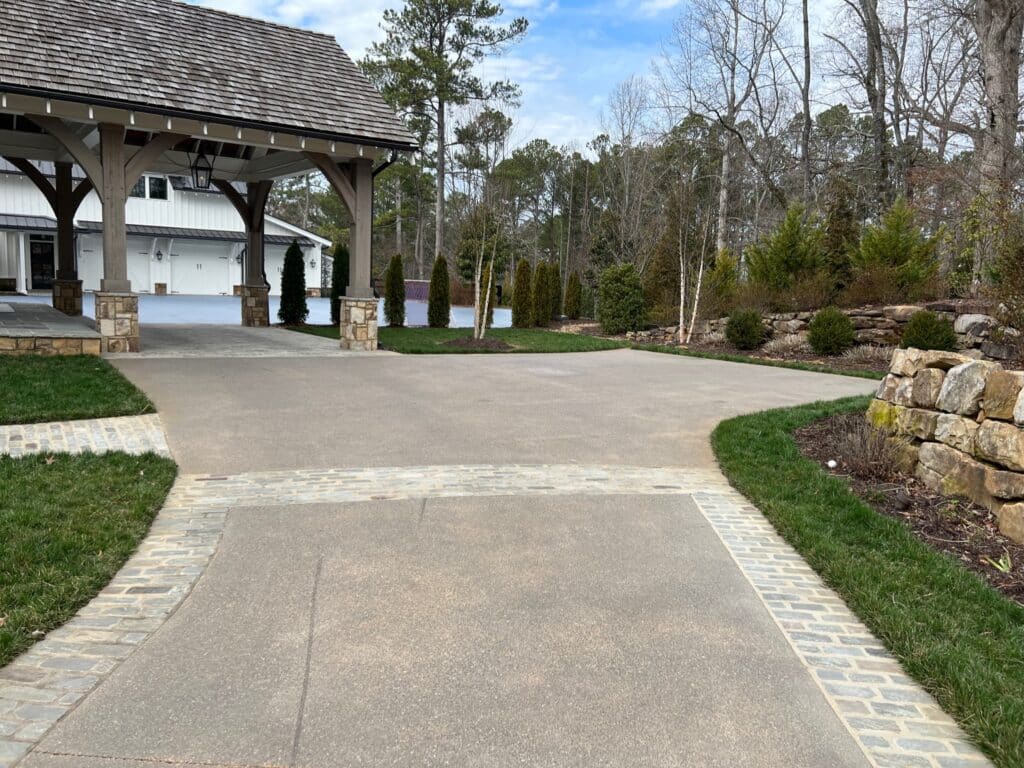
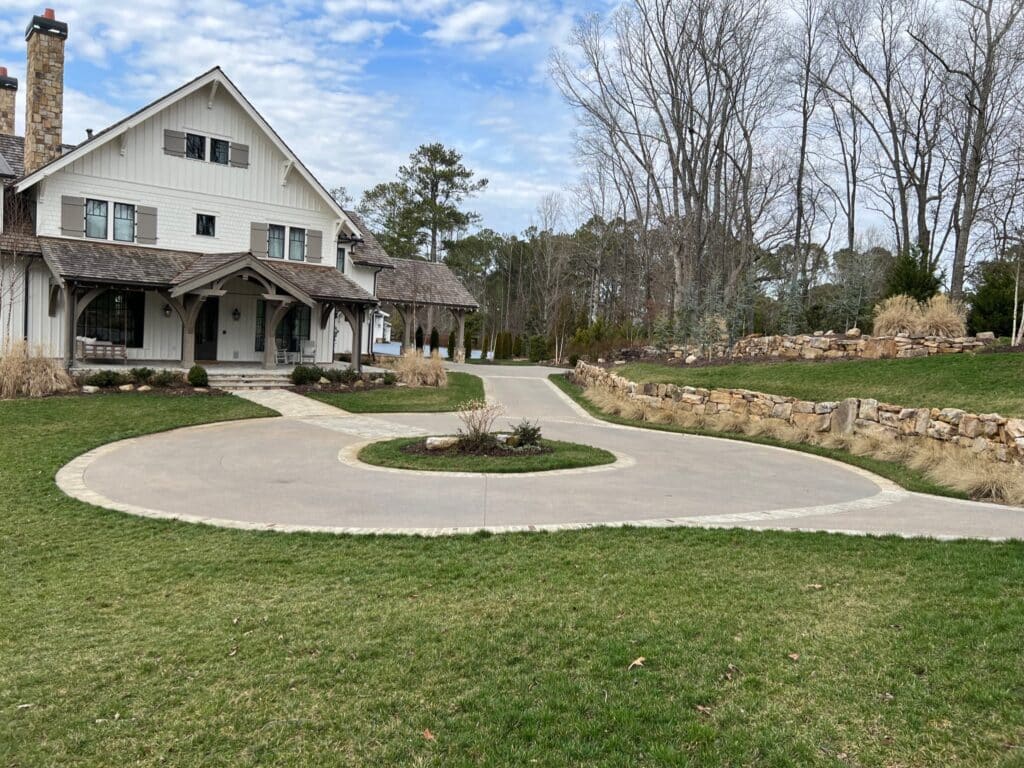
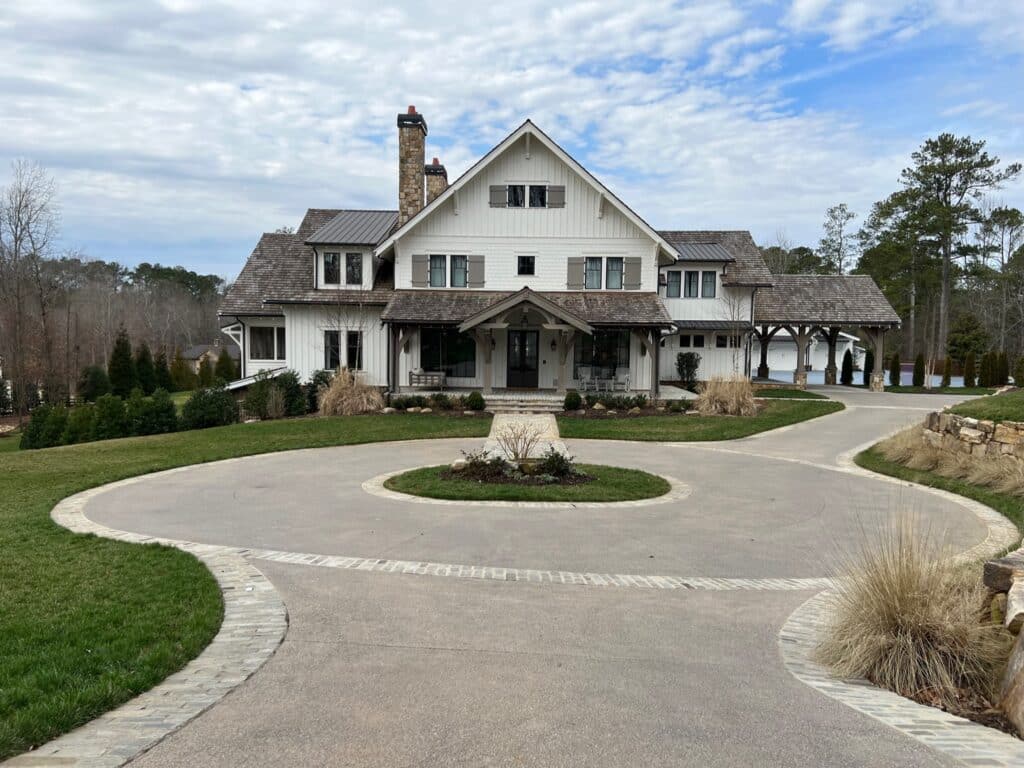
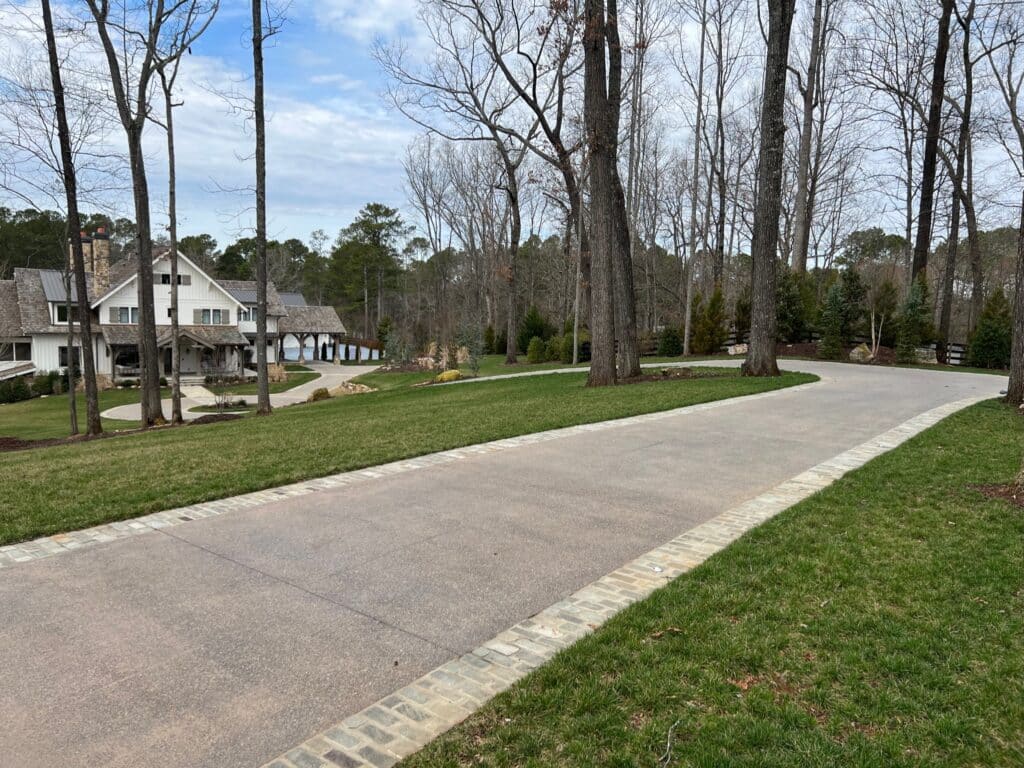
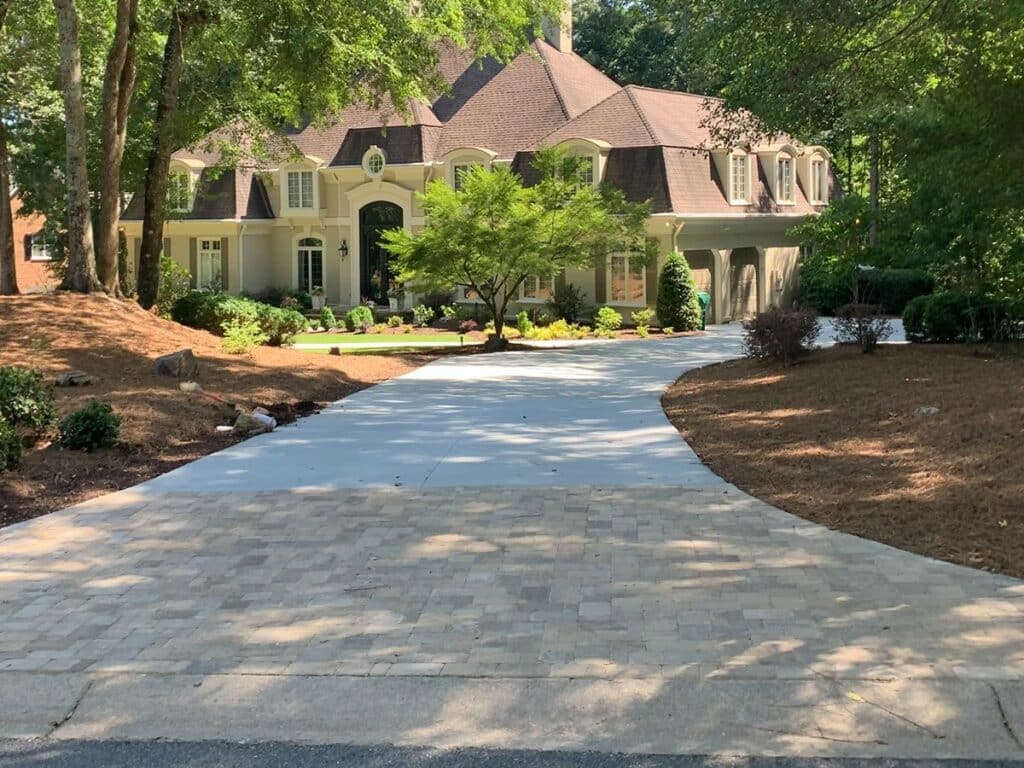
Granite is a strong durable rock consisting of quartz and feldspar. In driveways and hardscape features, it will last a lot longer than brick. It can also be cut and tumbled to look like brick. It is however, more expensive. Here is an example of granite, made to look like brick, accenting a driveway. Another popular option is cobblestone granite.
Brick
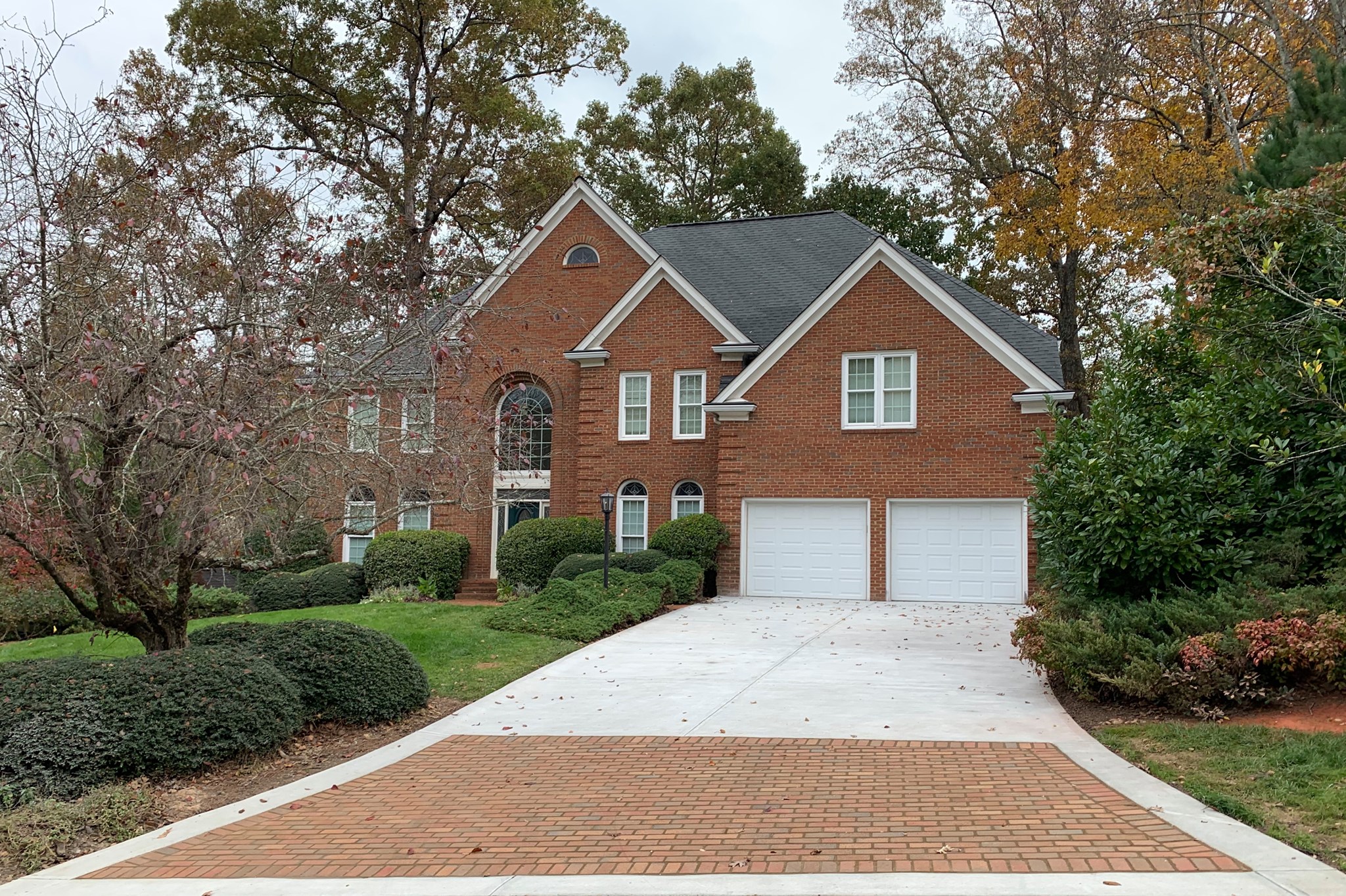
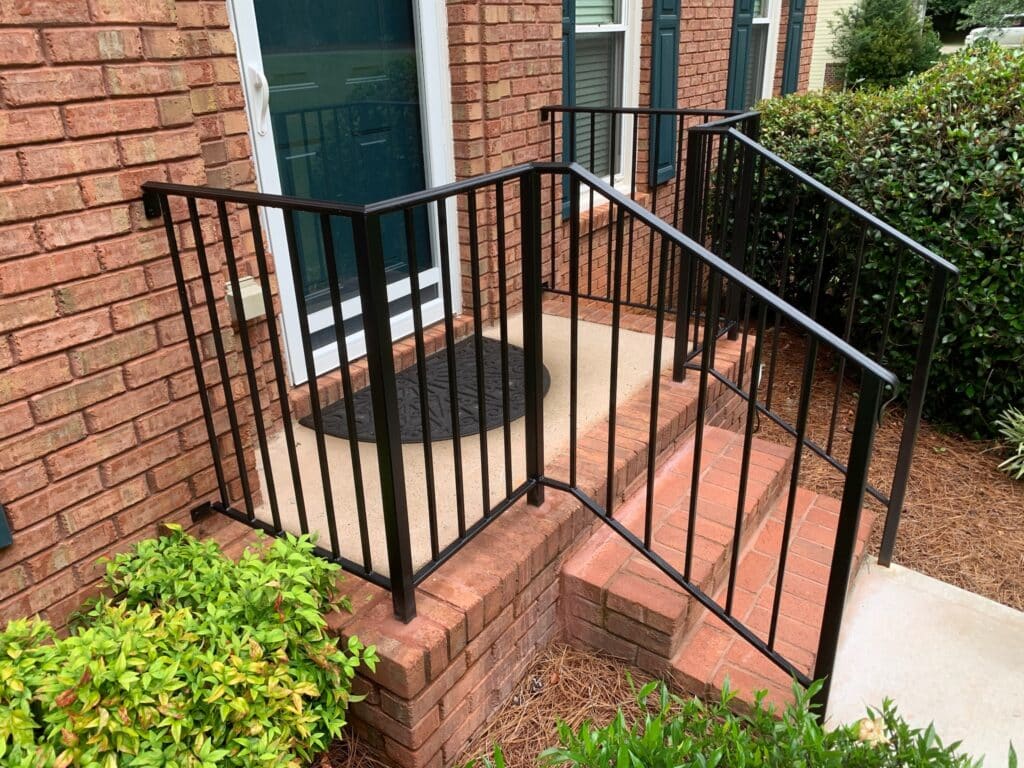
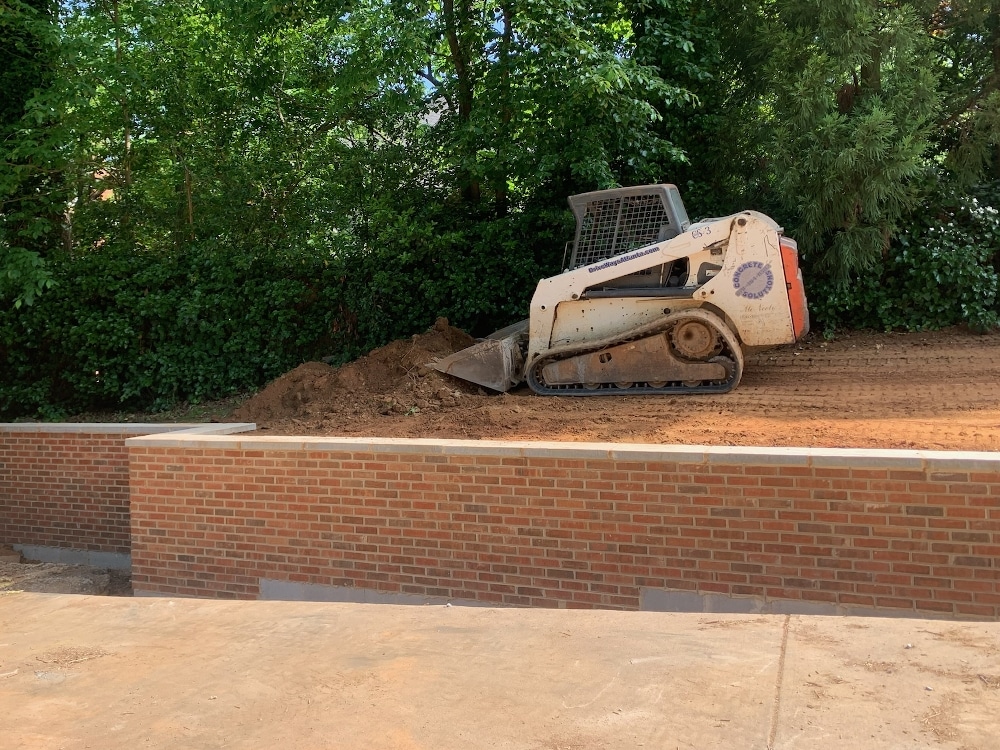
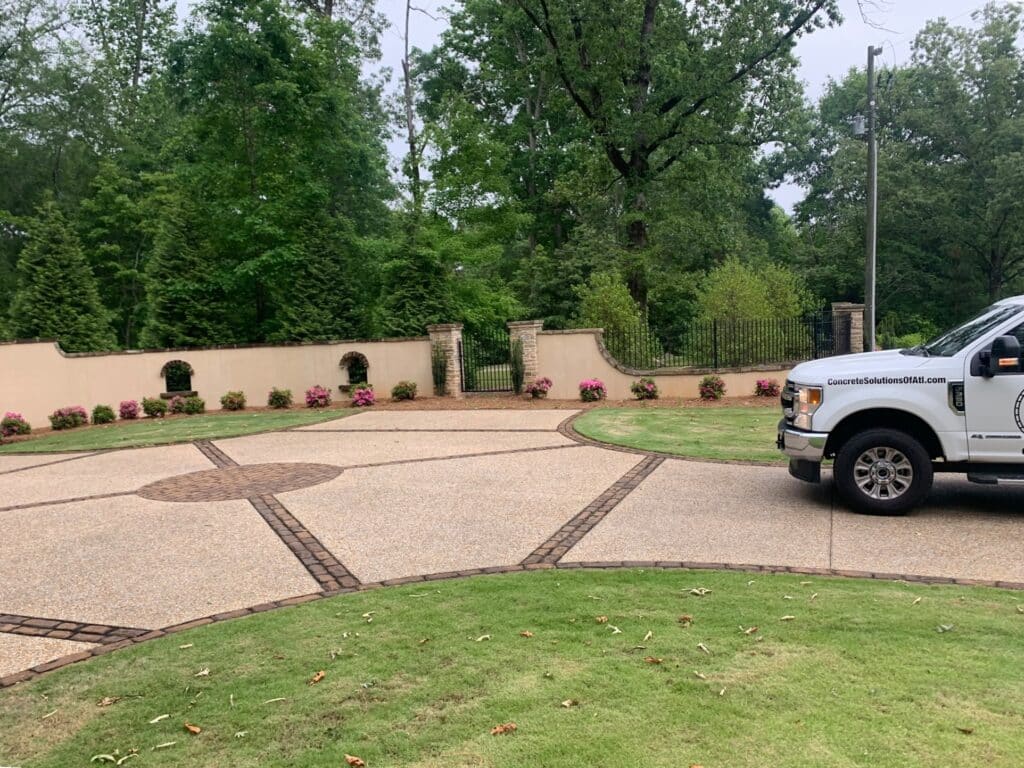
Brick is classic. Here is an example above of a brick inlay in a driveway. Brick is less expensive than granite, and still gives an extra wow factor. Brick is known for good looks and durability. We can bring artistry in brick masonry construction that can take any shape and design pattern.
For stunning brick patterns that look great on patios, driveways, pool decks, and stairs, give us a call.
Stone
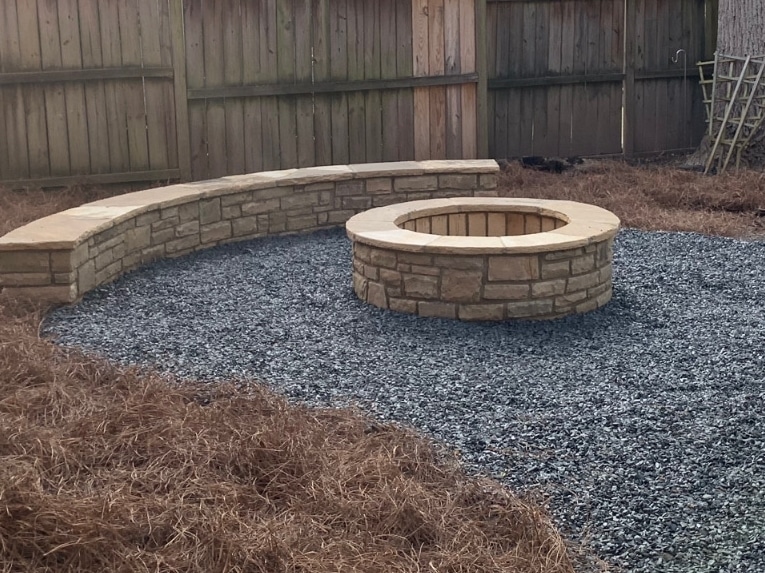
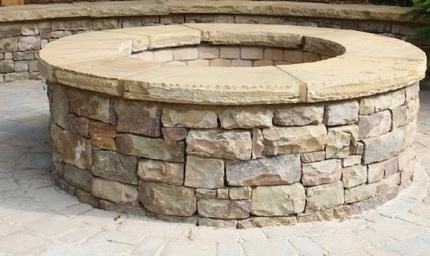
We can also use a natural stone for the dry-stack method or flat and cut stone for a more polished look. Whether you are going for a country cottage look or a structured and sleep look, we can match it with stone. No matter the style, stone can be a great addition to your landscape. Some of our popular stone inlays are fieldstone, flagstone, and bluestone.
Pavers
Pavers come in a variety of shapes, colors, sizes, and styles. Creating the right look requires planning the installation of these units correctly. When we install pavers, we make sure that the pattern and style of the different features complement each other.
Stacked Block
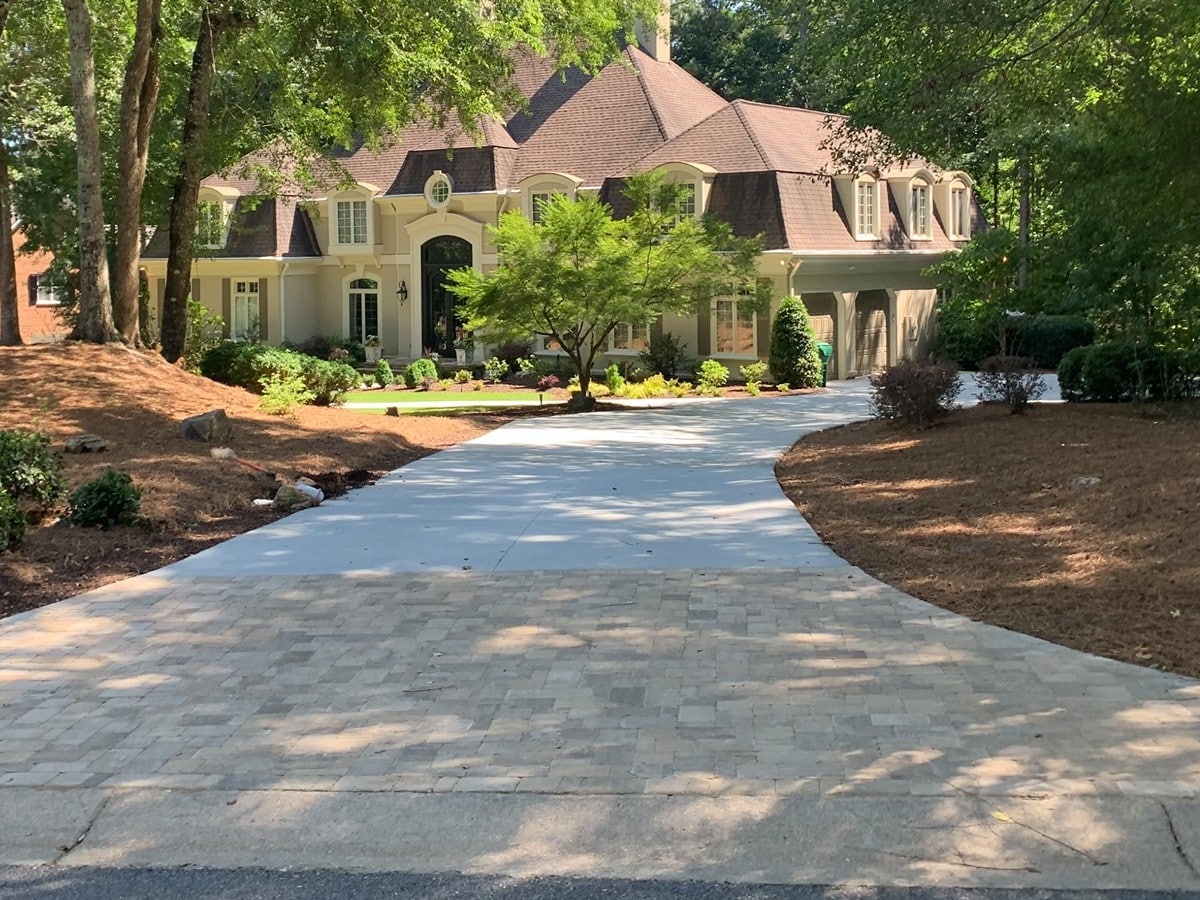
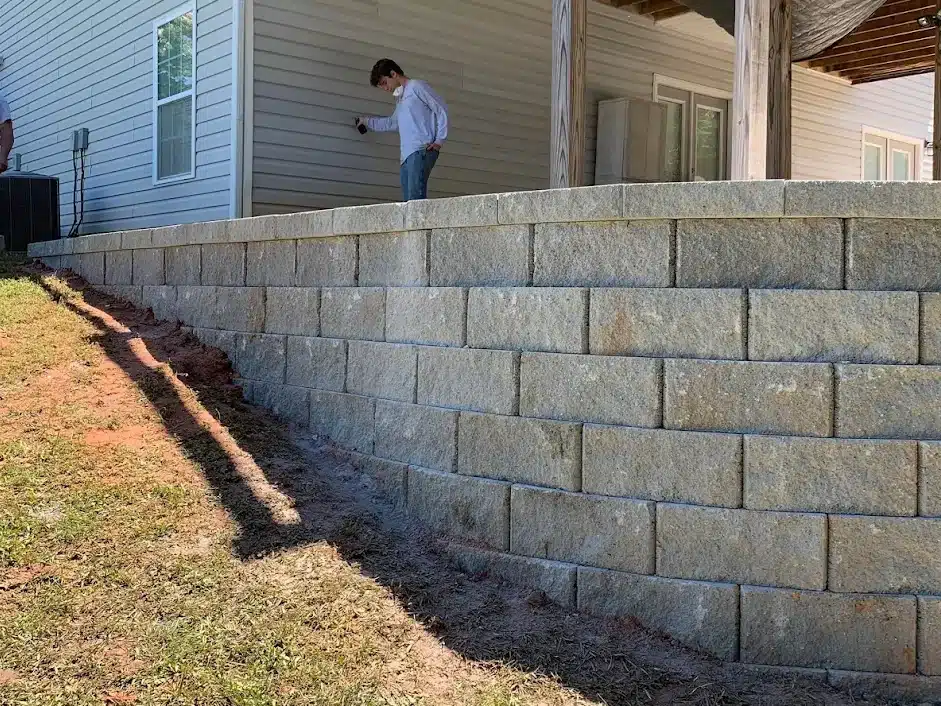
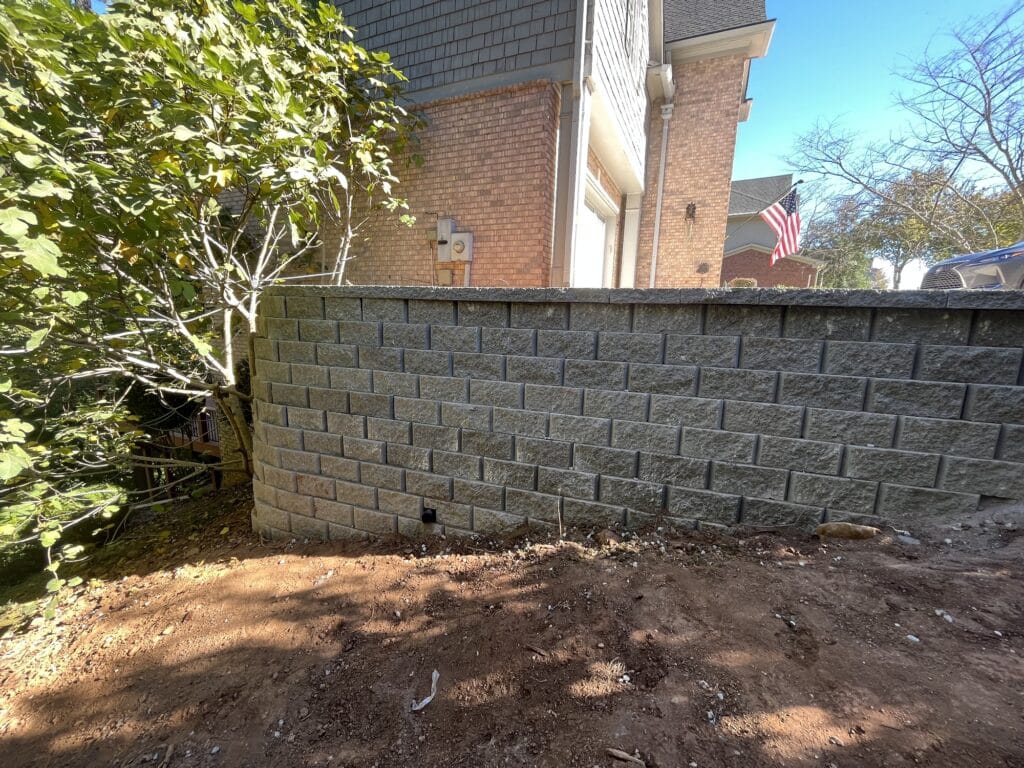
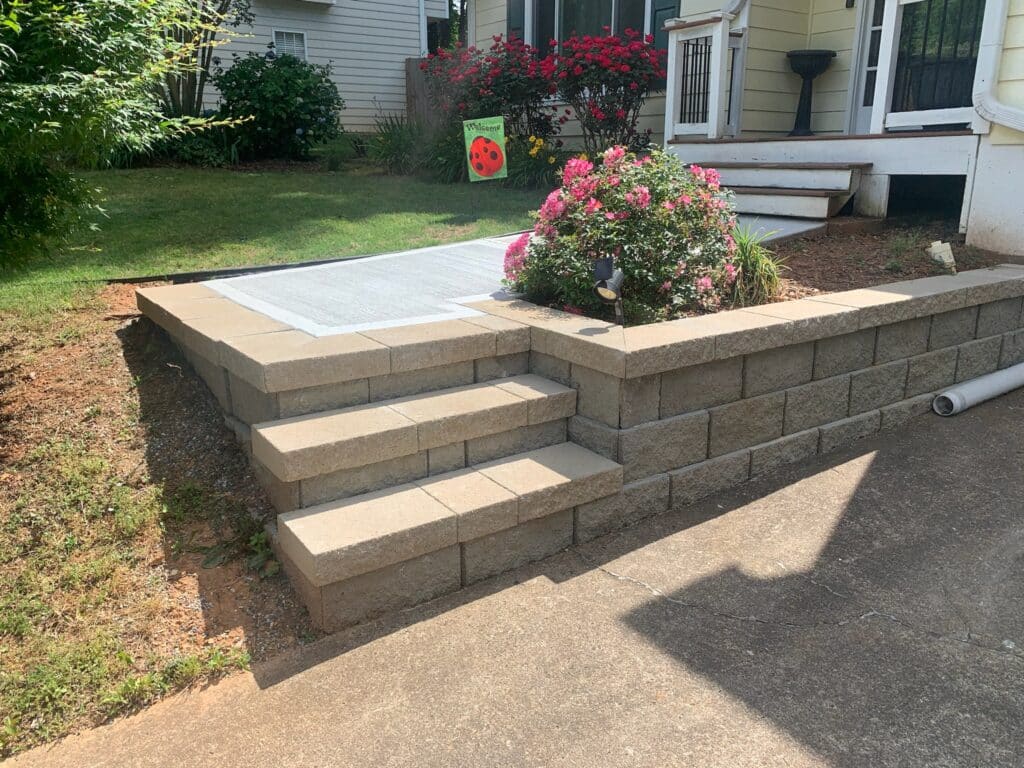
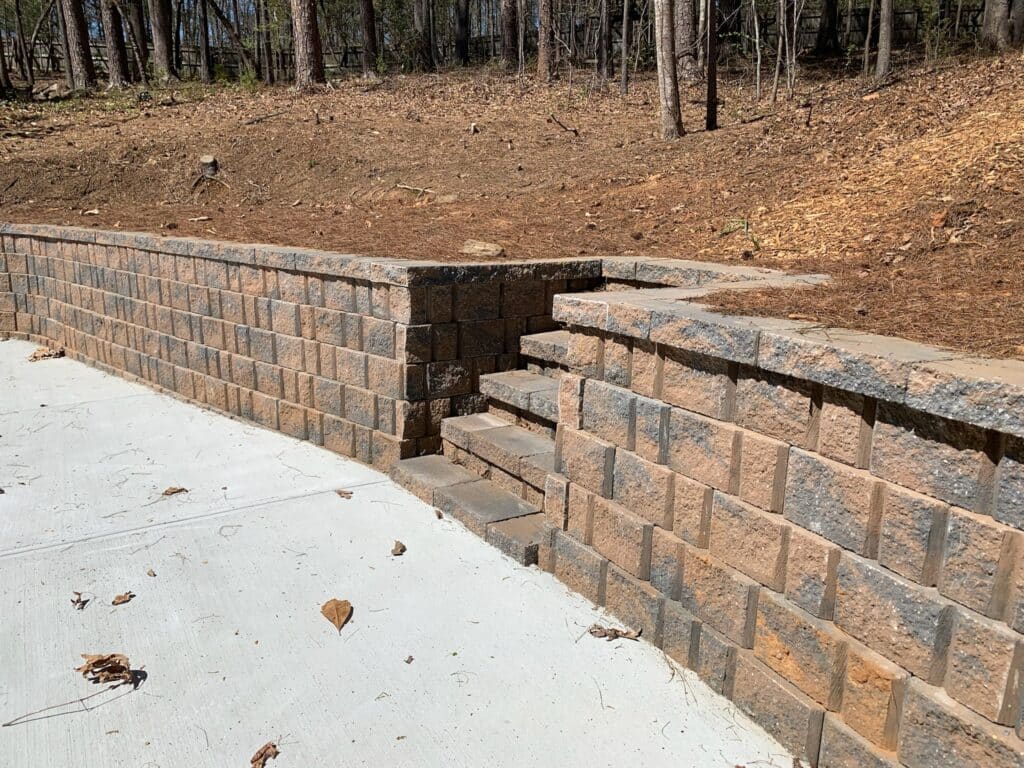
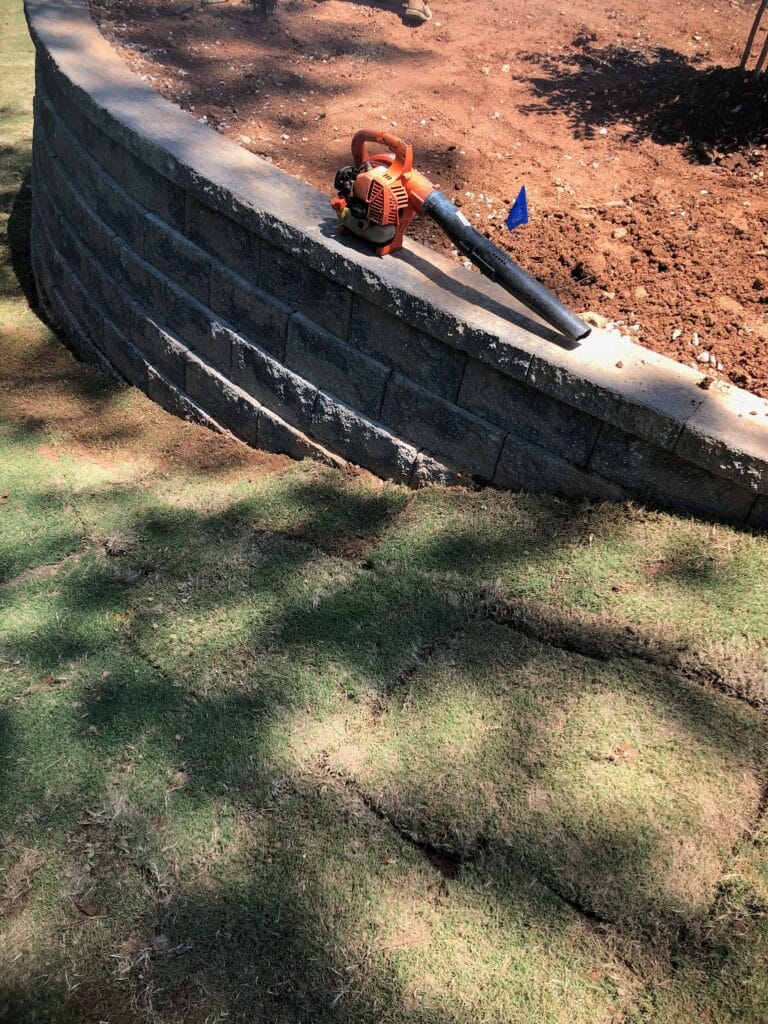
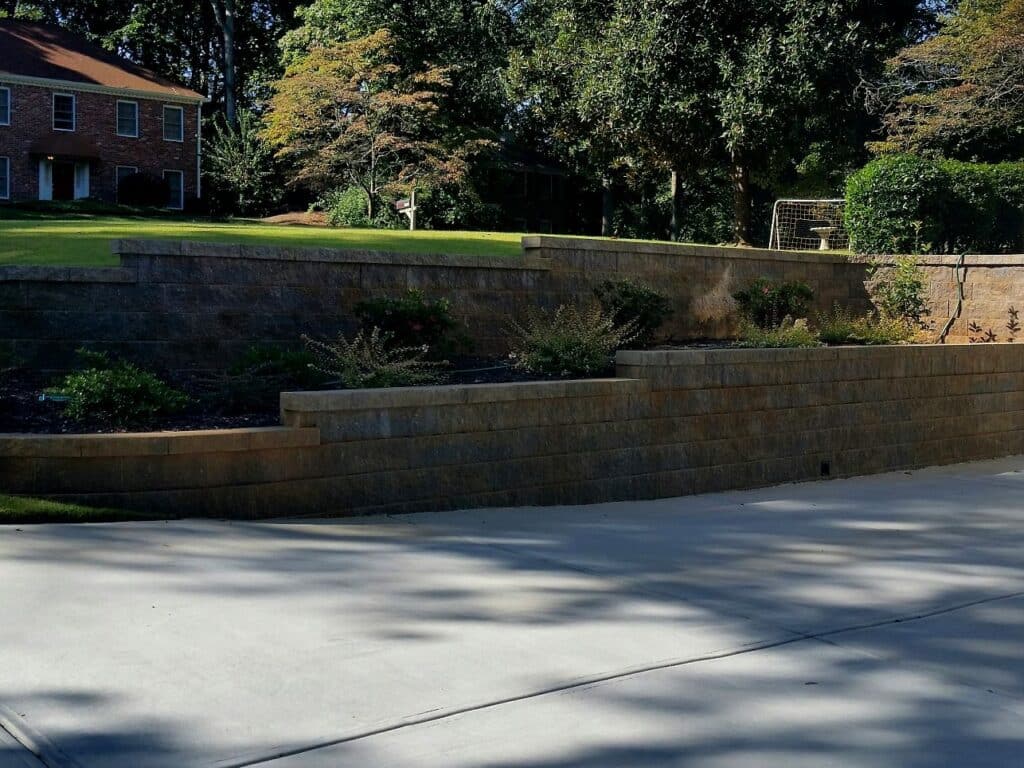
Once our most popular styles is a stacked block retaining wall. Here interlocking concrete or cinder blocks are used for builing the retaining walls and to ensure stability and safety.
Masonry Repair
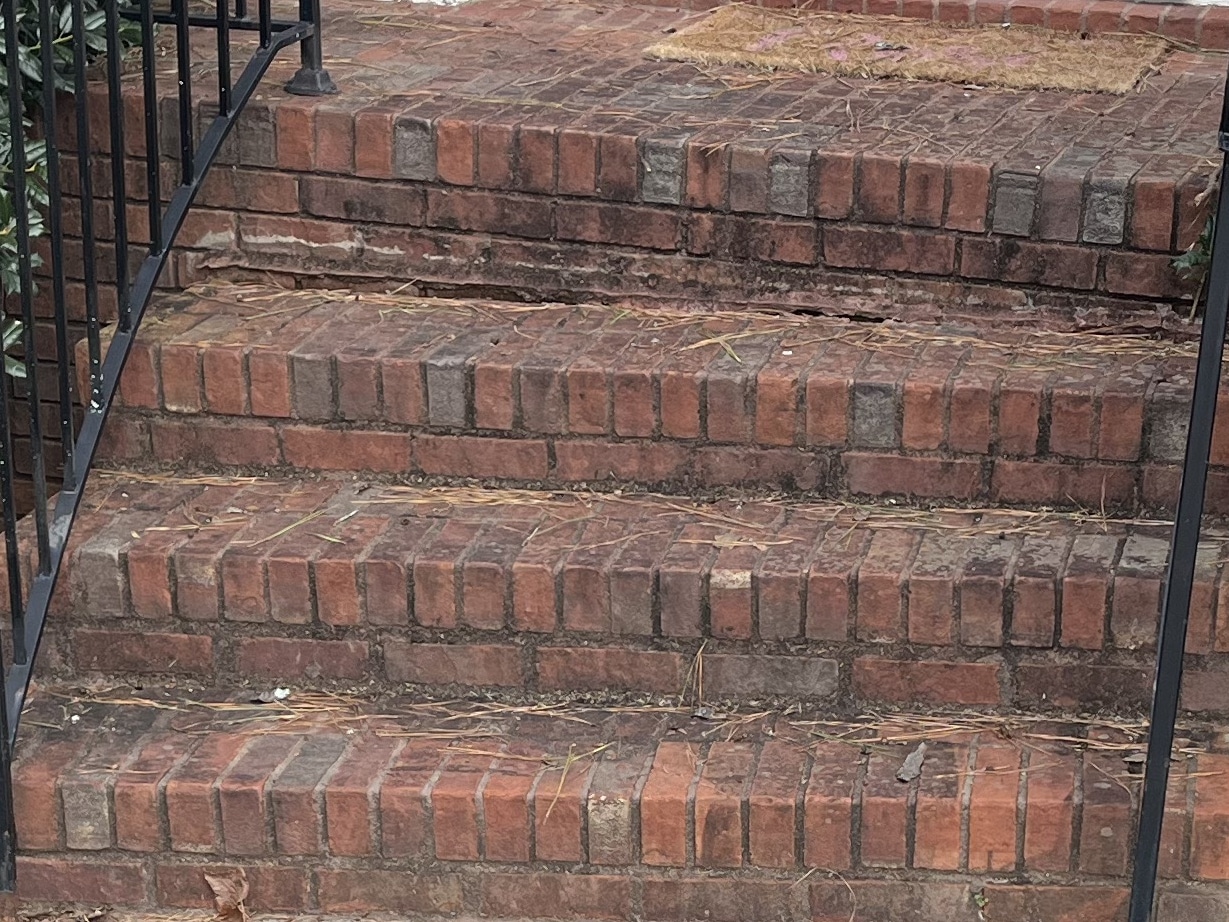
Cracks in your masonry may not always mean that there is a foundation issue, it could just be a cosmetic issue. Cracks can occur for a number of reasons, but the most common cause is structural movement. As homes, retaining walls, and other hardscapes settle over time, the bricks or stones can become displaced, causing cracks. Other causes can include: Improper wall ties, lintels secured improperly, wind from storms that cause your house or hardscapes to move, and temperature and humidity changes.
See Our Work
See more information about stone, brick, and masonry
Concrete Solutions for Developers
Quality houses are durable, functional, and attractive—that goes for all aspects of a property, including entire subdivisions. Whether you’re developing a new or old property, don’t overlook one of the more important aspects of a house: concrete. You might think that there are very few concrete solutions for property developers, but the material is extremely adaptable, fitting, and modish.
Ready to Get Started?
Give us a call to see how we can help.